Understanding gambling addiction recognizing the signs and seeking help
What is Gambling Addiction?
Gambling addiction, also known as compulsive gambling, is a behavioral disorder that compels individuals to engage in gambling activities despite the negative consequences they may face. This addiction can lead to severe financial problems, strained relationships, and emotional distress. Individuals with this disorder often feel a constant urge to gamble and may resort to dishonest behaviors to fund their habits, reflecting the extent of their dependence on gambling. If you’re interested in how to navigate this situation effectively, you can check details that provide valuable insights.
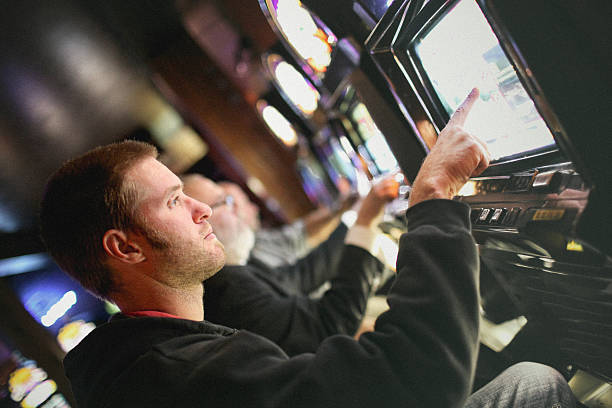
The roots of gambling addiction can vary widely, ranging from genetic predispositions to environmental influences and psychological issues. Many individuals turn to gambling as a means of escaping stress or anxiety, while others may seek the thrill of winning as a way to cope with life’s challenges. Understanding this addiction is crucial for recognizing its signs and seeking appropriate help.
The impact of gambling addiction extends beyond the individual, affecting families and communities as well. Loved ones may experience feelings of betrayal, anger, and helplessness when trying to understand the compulsive behavior of someone struggling with this addiction. Therefore, addressing gambling addiction is not just about the individual; it is about fostering a supportive environment for recovery.
Recognizing the Signs of Gambling Addiction
Identifying gambling addiction can be challenging, as many individuals may conceal their behavior due to shame or stigma. However, several signs can indicate a problem. One of the most common indicators is an inability to stop gambling despite repeated attempts. If someone finds themselves lying about their gambling habits or spending more time and money than intended, these are significant red flags that shouldn’t be ignored.
Emotional and psychological changes can also serve as warning signs. Individuals may experience anxiety, irritability, or depression when not gambling. They may feel an overwhelming sense of euphoria when winning but quickly spiral into despair when losing. Additionally, withdrawing from social activities and spending more time alone can be a manifestation of this addiction.
Financial distress is often a significant outcome of gambling addiction. If someone is borrowing money, selling possessions, or facing mounting debts because of gambling, it is crucial to recognize that these are serious warning signs. Awareness of these symptoms can help both the individual and their loved ones take proactive steps towards seeking help.
The Consequences of Gambling Addiction
The consequences of gambling addiction can be devastating and multifaceted. Financial ruin is often the most apparent outcome; individuals may find themselves in severe debt, facing bankruptcy, or even losing their homes. The desperation to recover losses can lead individuals to gamble even more recklessly, creating a vicious cycle that is difficult to escape.
Relationships also bear the brunt of gambling addiction. Trust can be shattered, and family dynamics can shift dramatically, leading to conflicts and estrangement. Spouses may feel betrayed, and children may suffer emotional neglect when a parent prioritizes gambling over familial responsibilities. This can lead to a breakdown of family structure and emotional health.
Moreover, gambling addiction can have profound mental health implications. Many individuals experience co-occurring disorders such as depression, anxiety, or substance abuse as a result of their gambling behavior. The shame and guilt associated with gambling can exacerbate these issues, leading to a cycle of mental health deterioration. Addressing these psychological aspects is vital for effective recovery.
Seeking Help for Gambling Addiction
Recognizing the need for help is the first step toward recovery from gambling addiction. Professional treatment options, including therapy and counseling, can provide individuals with the tools they need to overcome their addiction. Cognitive-behavioral therapy (CBT) is particularly effective, as it helps individuals understand and change the thought patterns that lead to gambling.
Support groups can also play a crucial role in recovery. Organizations such as Gamblers Anonymous provide a community of individuals who share similar experiences, offering a safe space to discuss feelings and challenges. Sharing struggles and victories with others can reinforce a sense of belonging and accountability, which is invaluable during the recovery process.
Additionally, involving family members in treatment can enhance the recovery process. Family therapy can help mend strained relationships and facilitate understanding between the person with the addiction and their loved ones. Together, families can develop healthier communication patterns and coping strategies, creating a supportive environment for sustained recovery.

Resources and Supportive Communities
There are numerous resources available for individuals struggling with gambling addiction and their families. Many countries have established helplines and websites offering support, information, and referral services. These resources can guide individuals to local treatment options and support groups tailored to their specific needs.
Online communities and forums provide additional avenues for support. These platforms allow individuals to connect with others facing similar challenges, share their stories, and learn from each other’s experiences. Online resources can be particularly helpful for those who may feel hesitant to seek help in person due to stigma or embarrassment.
Lastly, educational programs aimed at preventing gambling addiction can be instrumental in raising awareness. Schools and community organizations can play a vital role by offering workshops and seminars focused on responsible gambling practices, equipping individuals with the knowledge to recognize the signs of addiction before it becomes a problem.