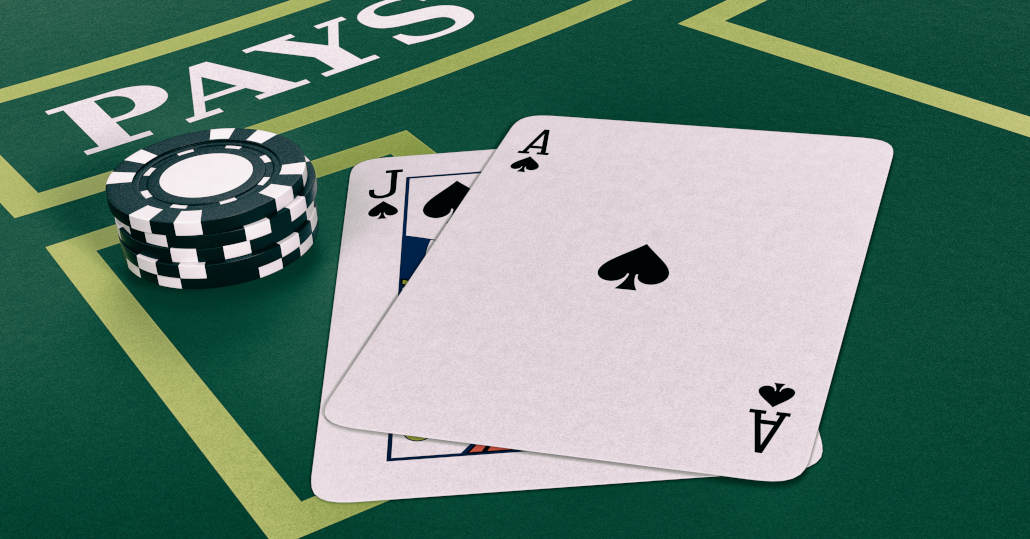
The Allure of Casino Gambling
Casino gambling has an undeniable appeal that draws millions of people worldwide. Many are attracted by the potential for winning big, which often overshadows the reality of risk involved. The atmosphere in casinos is designed to be exhilarating, with flashing lights, enticing sounds, and tantalizing rewards that create an enticing environment for visitors. This sensory stimulation can lead individuals to believe that luck is on their side, even when the odds suggest otherwise, especially when they explore options like payid australian casino that offer unique gaming experiences. Casinos capitalize on this allure through carefully crafted experiences that keep players engaged and hopeful.

In addition to the thrill of winning, casinos offer a social aspect that many find appealing. Engaging with other players at card tables or sharing stories at the slot machines fosters a sense of camaraderie that is hard to find elsewhere. This communal experience enhances the enjoyment of gambling, making it not just about monetary gain but also about human connection. Many players find themselves returning to casinos not only for the games but for the friendships they forge along the way.
Furthermore, the glamor often associated with casinos perpetuates a myth of easy money. Popular media frequently portrays gambling as a pathway to instant wealth, which can be misleading. Many gamblers enter casinos believing they will beat the odds, unaware of the complex strategies and knowledge required to be successful. This combination of excitement and misconception fuels the ongoing fascination with casino gambling, as players often cling to the hope that they might just be the next big winner.
Understanding the Odds in Casino Games
A common myth surrounding casino gambling is that players can influence the outcome of games through strategies or systems. While some games, such as poker, do involve skill, many casino games like slots and roulette are primarily determined by chance. The randomness of these games is reinforced by what is known as the house edge, which is a built-in advantage that casinos have over players. Understanding this concept is crucial for anyone considering gambling, as it highlights the reality that the house always has an advantage, making it difficult for players to come out ahead in the long run.
Additionally, the odds of winning vary significantly between different types of games. For instance, blackjack typically has better odds for players compared to games like baccarat or slots. Many players are unaware of these differences and may choose games based solely on their appearance or excitement level rather than their potential for success. Taking the time to learn about the odds can prove beneficial and lead to more informed decisions when gambling, allowing players to select games that maximize their chances of winning.
Another critical aspect of understanding the odds is recognizing that long-term success is rare. Many players might experience short-term wins, leading to the illusion that they can consistently beat the system. However, over time, the house edge manifests itself, resulting in losses that can outweigh initial wins. Establishing a realistic perspective about the odds and the nature of casino games can help players manage their expectations and approach gambling in a more informed manner, reducing the likelihood of financial distress.
The Impact of Gambling Addiction
The topic of gambling addiction is often shrouded in misconceptions. Many people believe that only those who lose large sums of money are at risk for developing problematic gambling behaviors. However, addiction can affect anyone who engages in gambling, regardless of their financial status. The thrill of gambling can create a cycle of thrill-seeking behavior, leading to an increased tolerance and a compulsion to gamble more frequently or with larger amounts, which can spiral into serious personal and financial problems.
Understanding the signs of gambling addiction is crucial for anyone who participates in this activity. Common indicators include preoccupation with gambling, a need to gamble with increasing amounts of money, and unsuccessful attempts to control or stop gambling behaviors. Awareness of these signs can help individuals recognize when they or someone they care about may need to seek help and support. Conversations about gambling addiction should be more prominent in the gambling community, as early intervention can make a significant difference in recovery.
Furthermore, many casinos and gambling establishments have begun to take responsibility for promoting responsible gambling. This includes offering resources and support for individuals struggling with addiction, such as counseling services and self-exclusion programs. By raising awareness of the potential risks and providing support, the gambling industry can play a significant role in addressing addiction and its effects on individuals and families, fostering a safer gambling environment for all players.
The Role of Luck and Skill in Casino Gambling
Another prevalent myth is the belief that gambling success relies solely on luck. While it is undeniably a significant factor, skill also plays an essential role in certain games. For instance, games like poker require a deep understanding of strategies, psychological acuity, and the ability to read opponents. Players who invest time into honing their skills can often see a consistent level of success in these types of games, contrasting with more luck-driven games like slots, where outcomes are entirely random.
Moreover, distinguishing between skill-based games and chance-based games can help players make informed decisions about where to invest their time and money. Engaging in skill-based games often entails learning various strategies, enabling players to enhance their chances of winning. This understanding can also mitigate the perception that gambling is purely a game of chance and encourage a more strategic approach to the activity, making it a more engaging experience for those who enjoy employing their intellect.
As players navigate the casino landscape, recognizing the balance between luck and skill can empower them to make better decisions and manage their expectations. While luck remains a significant factor in any gambling activity, informed players can utilize their skills to improve their chances and potentially achieve more favorable outcomes over time. This understanding can transform gambling from a mere gamble to a strategic endeavor, where knowledge and practice can lead to improved results.
Your Trusted Resource for Insight on Gambling
As the world of casino gambling continues to evolve, the importance of accessing reliable information cannot be overstated. Many players seek a comprehensive understanding of the myths and facts about gambling to enhance their experiences and make informed choices. A dedicated resource can provide valuable insights into various aspects of gambling, including game strategies, responsible gambling practices, and the latest trends in the industry. This knowledge empowers players to navigate the complex world of gambling with confidence.
Providing access to expert knowledge can help demystify the complexities of gambling. This resource can offer articles, guides, and tips that cover everything from understanding odds and payouts to recognizing the signs of gambling addiction. With this information, players can navigate the gambling landscape more confidently, knowing they are equipped with factual data to support their decisions, which can lead to a more enjoyable and responsible gambling experience.
In conclusion, uncovering the myths and facts about casino gambling is vital for anyone interested in the activity. By educating themselves about the truths behind gambling, players can enjoy the excitement while minimizing the risks associated with addiction and financial loss. Engaging with trusted resources ensures that they remain informed and can partake in this thrilling activity responsibly. A well-informed gambler is not only more likely to have fun but also more likely to walk away from the experience with their well-being intact.