
The Concept of Luck in Gambling
Luck plays a pivotal role in the realm of casinos, where games are often portrayed as a blend of chance and skill. Many players enter with the belief that luck will be their ally, influencing their outcomes on games ranging from slot machines to poker tables. This perception often shapes their experiences, leading them to attribute wins to fortune and losses to misfortune. Additionally, they may seek out sportsbook promos to enhance their gaming experiences.
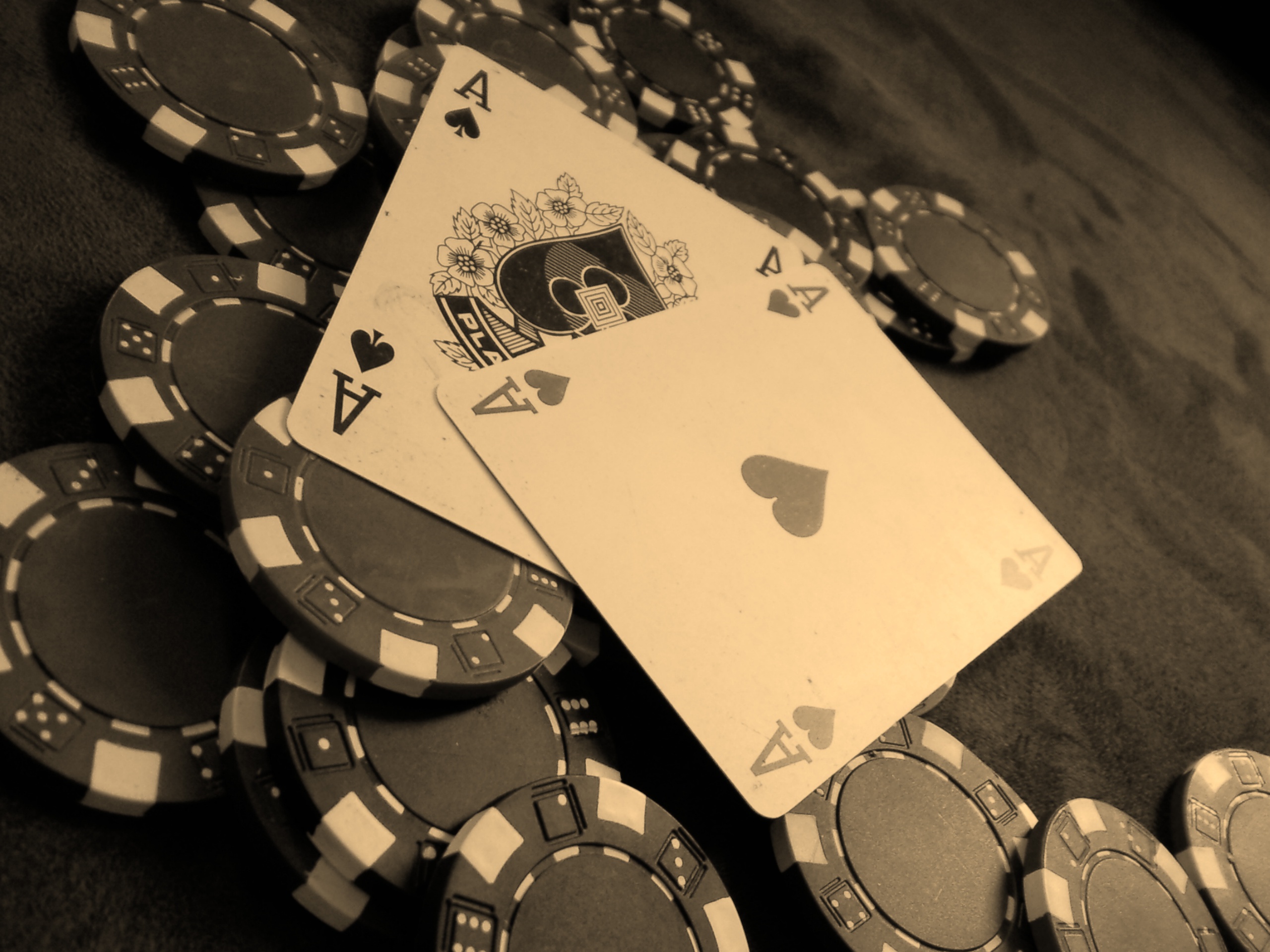
However, the notion of luck can be misleading. While it is true that games of chance are primarily governed by random number generators and probabilities, players sometimes overlook the importance of strategy and understanding the rules of the game. This duality raises questions about how much of gambling success is genuinely attributable to luck versus informed decision-making.
The Role of Probability and House Edge
In any casino game, understanding probability is crucial. Each game has a built-in advantage known as the house edge, which is the percentage of each bet that the casino expects to keep over the long run. This mathematical principle ensures that while players can experience short-term wins due to luck, the odds are designed to favor the house in the long term, leading to inevitable losses for the average player.
This house edge varies among different games. For instance, games like blackjack allow players to employ strategies that can mitigate the house edge, whereas games like roulette are more heavily reliant on chance. Acknowledging these probabilities can help players make more informed decisions and approach their gaming experience with a clearer understanding of potential outcomes.
The Psychology of Gambling
The psychology behind gambling is another critical aspect that intertwines with luck. Many players develop superstitions and rituals, believing they can influence their luck through specific actions or behaviors. This phenomenon can lead to an emotional rollercoaster, where periods of winning encourage continued play despite the underlying odds that favor the casino.
Moreover, cognitive biases, such as the gambler’s fallacy, can distort players’ perceptions of luck and probability. This fallacy leads individuals to think that past outcomes affect future results, which is not the case in truly random games. Understanding these psychological factors is essential for any player who wishes to navigate the casino landscape effectively.
Strategies for Maximizing Fun and Minimizing Losses
While luck is an inescapable element of casino gaming, players can adopt strategies to enhance their enjoyment and minimize financial losses. Setting a budget before engaging in any gaming activity is crucial. By determining an amount one is comfortable losing, players can enjoy the experience without the stress of financial strain.
Additionally, choosing games with a lower house edge or engaging in skill-based games can improve a player’s overall experience. Ultimately, the goal should be entertainment rather than solely focusing on winning, as this shift in mindset can lead to a more positive experience at the casino.
Conclusion: Understanding the Casino Landscape
In summary, while luck is a significant factor in casino games, it coexists with elements of skill, strategy, and psychology. Recognizing the balance between these components can lead to a more fulfilling gambling experience. Players should strive to educate themselves about the games they play, understand their odds, and approach gambling with realistic expectations.
This website serves as a secure platform, emphasizing user safety and privacy while providing valuable insights into the gambling world. It encourages players to engage responsibly, fostering an informed community that understands both the allure and challenges of luck in casinos.